Community Care is Revolutionary 🏡👥💞
This isn’t just a motto, but a guiding principle in care work in service of community.
Care work is disproportionately carried out by women, trans and queer folks. Care work is social reproductive labour that sustains the human condition, safeguarding material, financial, social, and emotional safety to people. Under the capitalist machine, care work is devalued for its inability to generate profit. The revolutionary action in care is to prioritize wellbeing above production.
I was raised by racialized foreign domestic workers, like many of my middle-upper class peers in Hong Kong. Hong Kong society has long normalized offloading domestic care responsibilities to systemically marginalized migrant mothers and women.
There is a deeply gendered and classist history to how Hongkongers perceive care work, and this is how I situate my critique and observations of the Hong Kong community.
There is no community without care work gluing us together.
Care is not abstract: a hot meal, a ride, a cup of Hong Kong milk tea, a hug, a text, a shoulder to cry on. Most of us are caregivers to our family and friends, but these individualized action to take care of those around you is not revolutionary - it’s simply survival.
Community care can only happen when there is a safe space for Hongkongers – not only safe from the Chinese and Hong Kong national security officers, but safety from sexual predators, scammers, grifters, abusive, malicious, toxic, and bigoted people.
There is no community if we cannot protect our own people. There is no safety if we look away at violence and harm perpetrated by our own people. There is no care if men don’t carry their fair share of labour.
Some horror stories include:
- Men tasking their peers to manage their administrative tasks and schedules;
- Women in kitchens cooking and serving drinks to guests, while men socialize with the guests;
- Laundry and valet support for men and their troublesome suits;
- Intellectual property theft, where a man signs his name on a peers’ work;
- Men leveraging his position of power to professionally ostracize a woman;
- Receiving an unprompted trauma-dump from male colleagues; and
- Sexual predators with a known history of abuse, harassment, and assault, and their accomplices covering for them.
I should not have to repeatedly provide examples to back up the misogyny observed in the Hongkonger activism. I am tired of explaining and repeating myself.
If it soothes your soul, go ahead and perform another international women’s day with a panel of dissident ciswomen talking about their personal trauma rather than delivering a feminist critique of the Hong Kong’s rape culture.
yes I come out swinging
Community care cannot exist without accountability - not thru a carceral and punishment lens - but one that facilitates care and healing. It has to start with self-work. There is no end goal for self-work, but an ongoing journey.
GO TO THERAPY
Most are us are holding onto years of trauma, guilt, depression, anxiety, and all the emotions. It will be good for us to find the tools and tactics to navigate a difficult journey ahead.
To zoom out from the individualized approach of care, community care should be carried out from a safe space. Even as we live in the diaspora, technically outside of the politically repressive control of the Hong Kong-Chinese government, we know the realities of the United Front Work Department and other forms of transnational repression are present at corner of the diaspora.
Real life experiences do not exist in extreme polarity, but rather in flux and with duality.
As a public dissident, I do not believe in pressuring my Hongkonger peers to step into dissidence as I do. Dissidence and activism are only one corner of the revolutionary mission.
Community builds from a place of common values, where share our culture, language, and grow relationships with each other. There are very real implications with Hong Kong’s national security law and transnational surveillance, so it should not be a surprise that Hongkongers must strategically navigate the precarious politically-sensitive topics. Self-censorship is an effective tactic as well as an effective defence mechanism.
Do I wish that diaspora Hongkongers can be free to engage in activism and political activities without consequences? Yes.
Do I believe that safety can be accomplished overnight and that people should disregard their own limitations? No.
It is my role to advocate for community safety from transnational repression. But for the broader diasporic community, it has a role to play in this revolution- to build conditions that empower and connect our people holistically.
Non-governmental organizations (NGOs) play a dynamic role in delivering community care to Hongkongers. In some cases, the NGOs are providing social supports that sustains the material, financial, and emotional wellbeing of Hongkongers. New migrants who need support in navigating immigration processes and labour rights claim; parents looking for Cantonese language schools for their kids; a reliable news organization reporting on Hong Kong-relevant news; or hosting a day of celebration to promote Hong Kong culture.
These social institutions are not only empowering our people through social supports systems, Hongkongers are also building structures that enable Hongkongers to gather and build relationships safe from Chinese interference. Community resilience does not appear overnight.
The uncomfortable part of care work is noticing the source of the rot, and clean it out. Community cannot exist without confronting the inequitable conditions that perpetrate harm and violence. Internalized misogyny, gendered labour, predatory and abusive men are the symptoms of a larger problem.
I am not gaslighting myself into thinking having a high standard is not “asking for too much”. Nor will I believe in the deeply sexist narratives that women who speak up are problematic bitches.
Whether formalized or informal interpersonal networks, we need to normalize accountability that hold each other to higher stands, encourage positive change, and set clear boundaries. Once we remove punitive and carceral undertone to wrongdoing, accountability is how the community chooses to heal and rebuild.
No one is perfect, and we all deserve to learn and grow from mistakes.
Accountability is an ongoing process:
- believes victims and provide support & protection;
- respects to the victim’s wishes for resolution;
- repairs the harm and distrust within community; and
- interrogates gendered, racial, heteronormative, and classist norms.
It would be silly to jump into “forgive and forget everything” or “banish forever”. There is difference between a genuine mistake and a serial offender. The community must share the responsibility of holding each other to account.
it is not up to me alone to hold any of the Hongkonger activist accountable - no duh
However, I do expect to be held accountable to my actions. Whether by the people I’ve built community with - or the protagonists who see me as the imaginary villain.
📝 Reading List 📝
 Hadas Weiss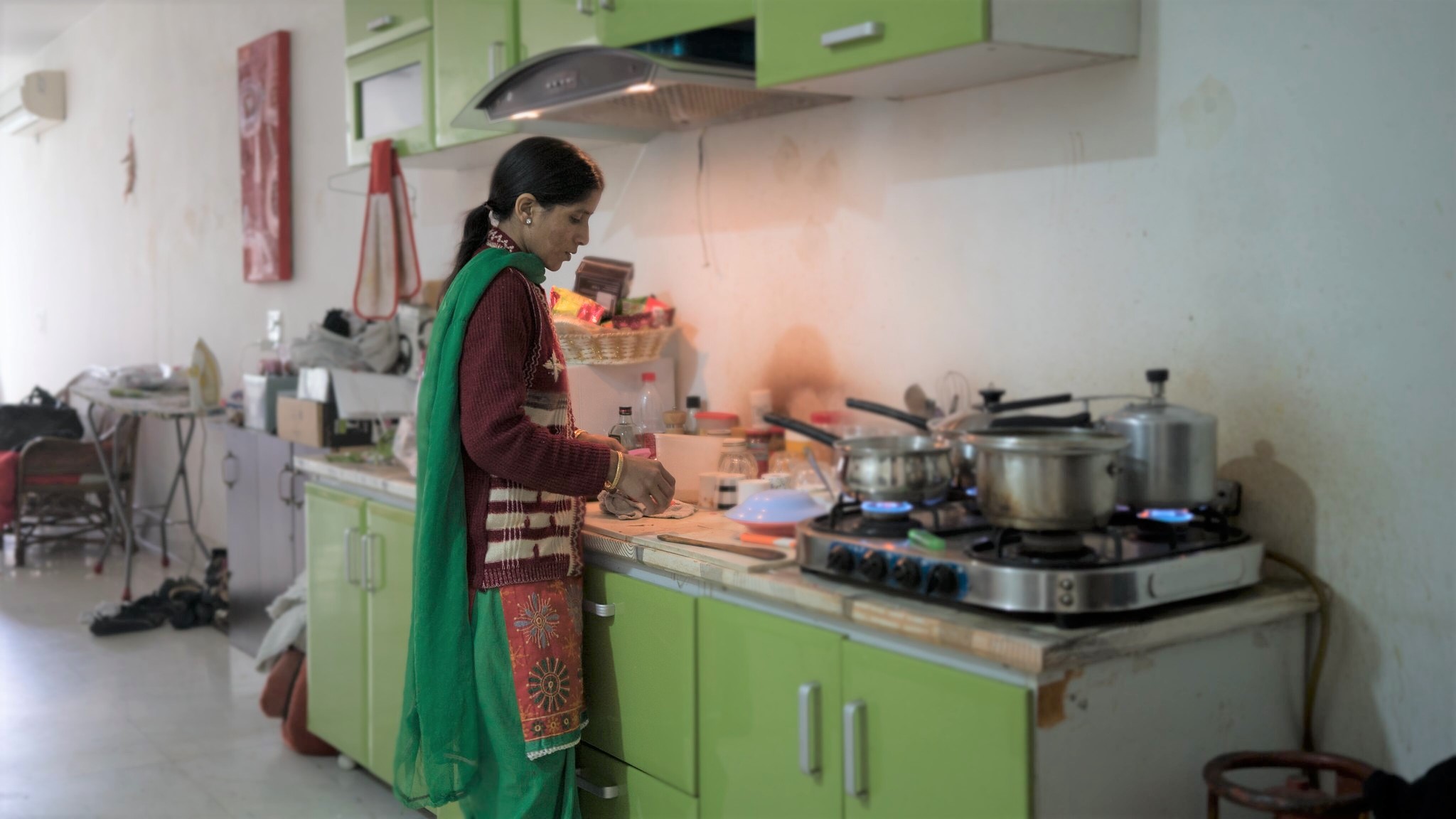
 Haley Byrd Wilt
 Jessica Hobbs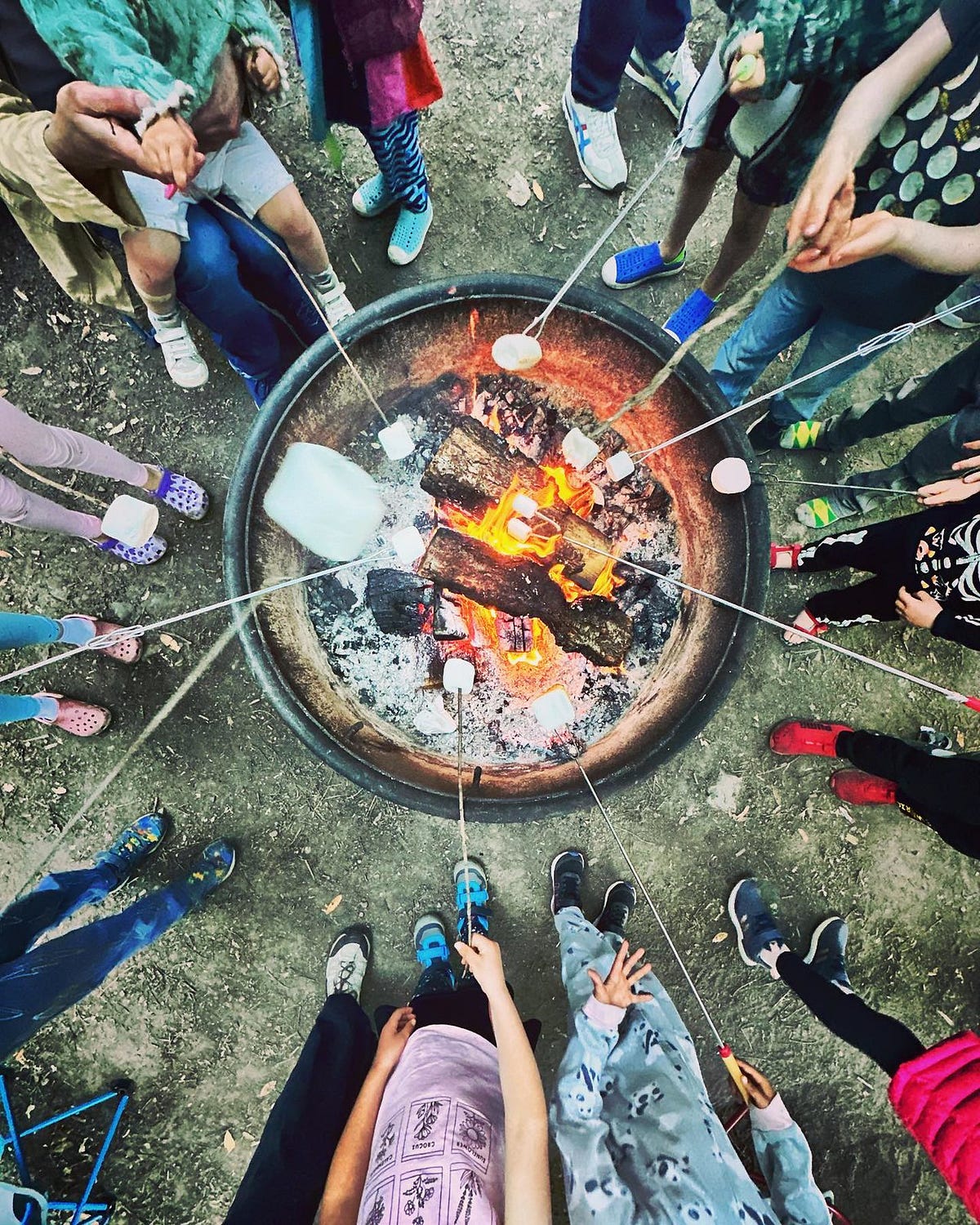


Comments ()